1. Hard surfaces
Glass, metal, sealed wood and plastic are cleaned with products matched to the agent.
Old Field, NY · Suffolk County
Need help after tear gas or pepper spray in Old Field that you cannot clear with fresh air? Call (877) 812-4220 day or night. You get crews for residue, odor and every affected surface.
If anyone is in danger, call 911 first. For a suicide crisis, call or text 988.
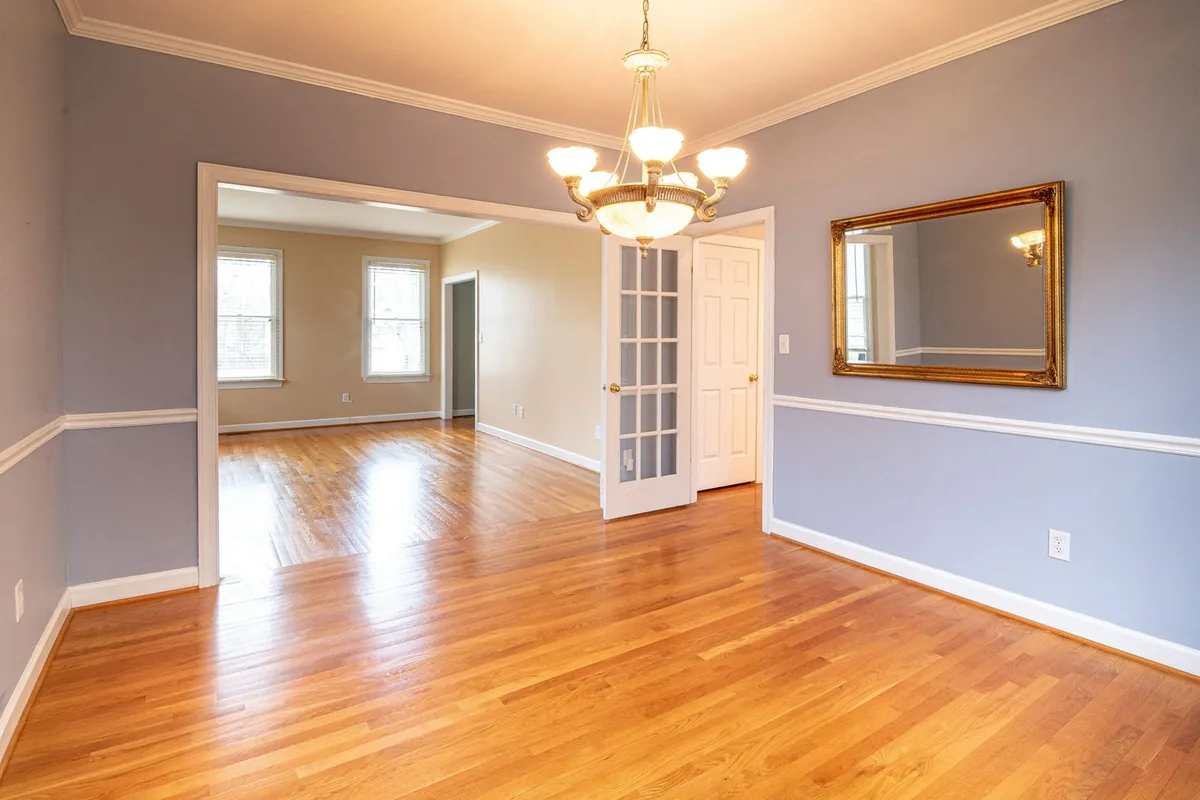
Tear gas cleanup, also called tear gas removal, is the process of finding where irritant particles settled, removing them with the right products and checking that the space is safe to enter again.
Owners in Old Field call Old Field Biohazard Cleanup Help when irritant residue keeps a property from being used. You get cleanup technicians across Suffolk County, day or night, who explain each step in plain words.
About 12% of housing in Suffolk County is vacant, so owners living elsewhere can get tear gas cleanup started by phone through a key holder. July highs near 83 degrees in Old Field are milder, but heating and cooling systems still move residue through ducts.
The work often covers:
Glass, metal, sealed wood and plastic are cleaned with products matched to the agent.
The team explains what can be saved, what must go and which products suit the agent.
Hard surfaces are cleaned with matched products. Soft goods are treated or removed, and waste is bagged and hauled.
A final inspection and a set of records finish the job, so tenants or staff can return.
Most tear gas & pepper spray cleanup jobs in Old Field, NY cost between $1,500 and $50,000, based on published cost guides.
Insurance may offset part of the cost, so owners often ask the crew for itemized records and photos.
| Type of job | Typical range |
|---|---|
| Small apartment | $1,500 - $4,000 |
| Commercial property | $10,000 - $50,000+ |
| Single-family home | $3,000 - $10,000+ |
Figures are planning ranges from Tear gas cleanup cost guide, not a price for any specific Old Field property. Price drivers include property size, air system involvement, materials affected, time since exposure. Call (877) 812-4220 any hour.
Rules for hazardous residue vary by state, county and city. Waste may need special handling and cannot always go in the regular trash. Ask the local health department or fire department what applies.
Not reliably. Vinegar and bleach do not neutralize these agents, and mixing products can release harmful fumes. Plain water can spread residue. Fresh air and professional removal work better.
Yes. Cleaners treat seats, carpet, headliners, vents and the cabin air path. Airing out alone often does not remove the residue, so burning may return when the vehicle heats up.
Tell the landlord or property manager right away. The lease and local law decide who pays. A landlord, an attorney or a tenant rights group can explain.
Do not hose it down or wipe it around. Particles and oil spread when disturbed. A professional crew uses protective gear, lifts residue from the surface and disposes of it as hazardous waste.
Only after it is cleaned and checked. Pets and young children are closer to floors, so they can be affected more. Keep them out until the crew says the work is complete.
Call any hour to ask what to do next.
Call (877) 812-4220